We help Victorian manufacturers plan and deliver control-system change with clear scope, testing before production cutover, and handover packs that maintenance can use day to day.
Company profile
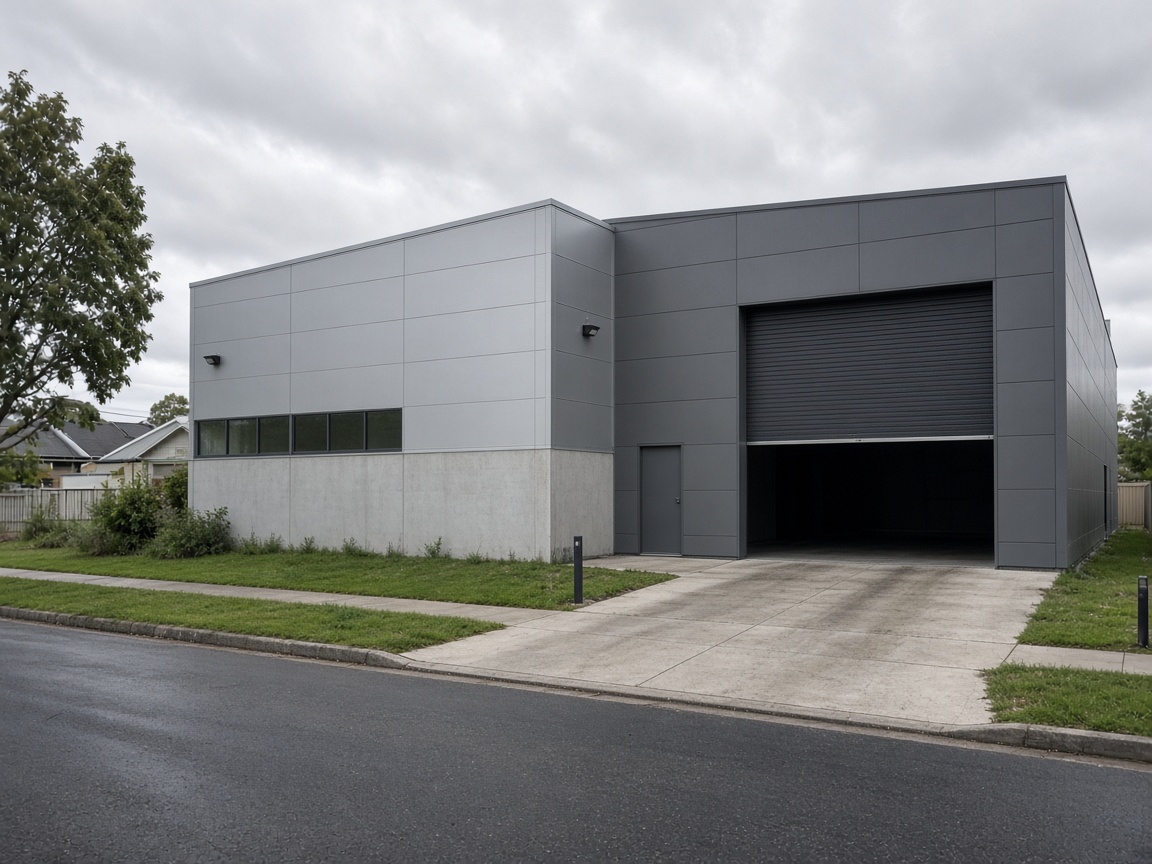
CLOUD & CYBER PTY LTD is an industrial automation and engineering services company based at 6/355 Palmers Rd, Truganina VIC 3029. From this single office we support manufacturing and industrial sites across Victoria. Working from one location keeps accountability simple: the engineers involved in design reviews are typically the same people available for commissioning and hypercare.
Registered in 2021, we focus on plant-floor control work—PLC and HMI upgrades, SCADA and network integration, and project support around planned shutdowns. Our growth has come from repeat delivery for Victorian clients in food and beverage, packaging, logistics, and related utilities.
Markets we serve
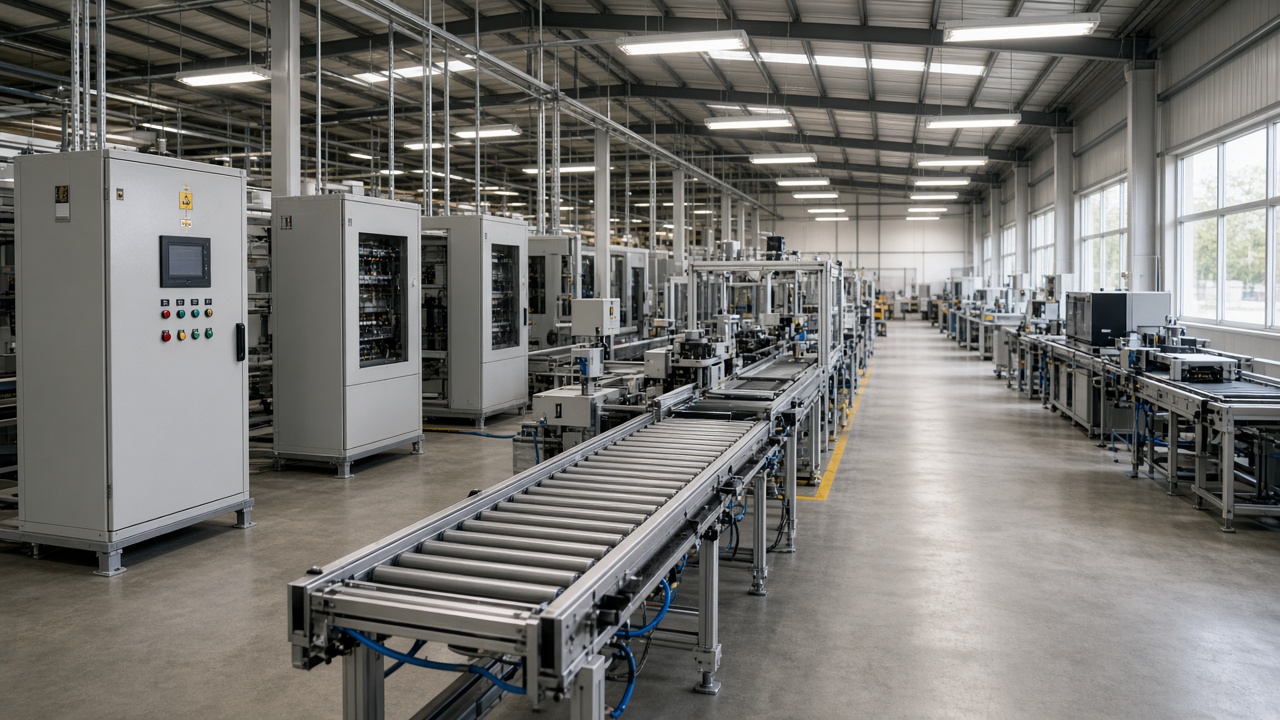
We work with food and beverage, packaging, logistics and warehouse, and plant utilities such as compressed air and process auxiliaries. The settings differ, but the controls work often looks similar: ageing PLCs, crowded HMIs, incomplete drawings, and limited shutdown time.
We start from the production constraint, then propose automation that fits it. Hardware and software are chosen against your standards, spares strategy, and internal skills—not a preferred vendor list of our own. Where you already have a mandated PLC family or network policy, we work within it and document phased exceptions when brownfield conditions require them.
- 4 core service lines
- 1 Victorian base (Truganina VIC 3029)
- 2021 company registration
How we are organised
Client-facing engineering roles—lead controls engineer, integration specialist, site support—are assigned at kickoff and named in the project communication plan. For larger jobs we may work with specialised trades (electrical installation, mechanical OEM support) under clear interface documents, while remaining your technical contact for automation scope.
Internal quality is maintained through peer review of logic, structured test records, and version-controlled deliverables. We treat software changes with the same seriousness as mechanical modifications: revision history, rollback images, and signed FAT/SAT checklists where applicable.
Standards and safety consciousness
Australian workplaces expect automation to respect WHS obligations and applicable machinery standards. Our engineers work within your site rules—permit to work, lockout/tagout, hygiene procedures—and we document safety-related control functions so they can be maintained after handover. We do not replace your safety officer or certified functional safety assessor where formal SIL studies are required; we integrate their conclusions into PLC/HMI implementation and proof-test routines.
For general control programming we follow structured conventions: clear naming, modular logic, inhibited outputs during maintenance, and alarm text that states cause and required operator action. These practices reduce the “tribal knowledge” problem that makes later upgrades expensive.
Commercial conduct
We quote from an understood scope, with assumptions and exclusions written down. Early conversations may be exploratory; once boundaries are clear we provide a written estimate. Changes during delivery are recorded so scope adjustments stay visible. Payment terms and insurance certificates are supplied for vendor onboarding when you need them.
Email contact@cloudncyber.com.au, or use our request a quote form for structured enquiries.
Technology neutrality
We work across common PLC, SCADA, and drive platforms. Selection criteria include your installed base, internal competency, spares agreements, and lifecycle roadmap. If a platform is adequate and already entrenched on site, we implement it carefully rather than pushing an unnecessary migration. If a platform is end-of-life, we say so plainly and outline migration options and risks.
For new cells inside existing plants, we favour architectures that maintenance can support: modular logic, clear alarm text, and network diagrams that match switch port labels. Features that create long-term dependency on one contractor are used only when you choose that trade-off deliberately.
Confidentiality and data handling
Project files—logic exports, network diagrams, production rates discussed during hypercare—are treated as your confidential information. We store working copies only for the duration of engagement plus agreed retention for warranty support. We do not reuse your sequences as templates for competitors; generic libraries are built from anonymised patterns or industry-neutral modules developed in-house.
When integration touches MES or ERP data, we follow your IT policies for credentials, VPN access, and segregation of duties. We do not ask for domain admin when read-only diagnostic access suffices.
Working with your internal teams
Many clients have capable electricians and instrument technicians without dedicated controls staff. We adapt: work alongside your maintainers on logic where helpful, or stay to clear deliverables when that fits better. Training and handover hours are planned when your team will own later changes.
Production pressure and engineering caution often pull in different directions. We use trends, fault counts, and short risk notes so decisions sit with site management, not only with whoever is standing at the HMI during a stop.
What success looks like
Stable trends, alarms operators can act on, integration tags that match the MES, and documentation that still matches the running code months after handover. That is the standard we aim for on each Victorian engagement.